Drew Patterson · 23 September 2026
Platform Tools That Highlight Visitor Pattern Changes Among Independent Web Properties
Independent web properties depend on specialized platform tools that track and surface alterations in visitor flows, session durations, and referral sources across decentralized online environments, and these systems aggregate data from multiple channels to flag deviations that might otherwise go unnoticed during routine operations. Data from industry reports shows that such tools integrate with standard web analytics frameworks while adding layers of pattern recognition that compare current activity against historical baselines established over months or years.
Core Capabilities of Detection Systems
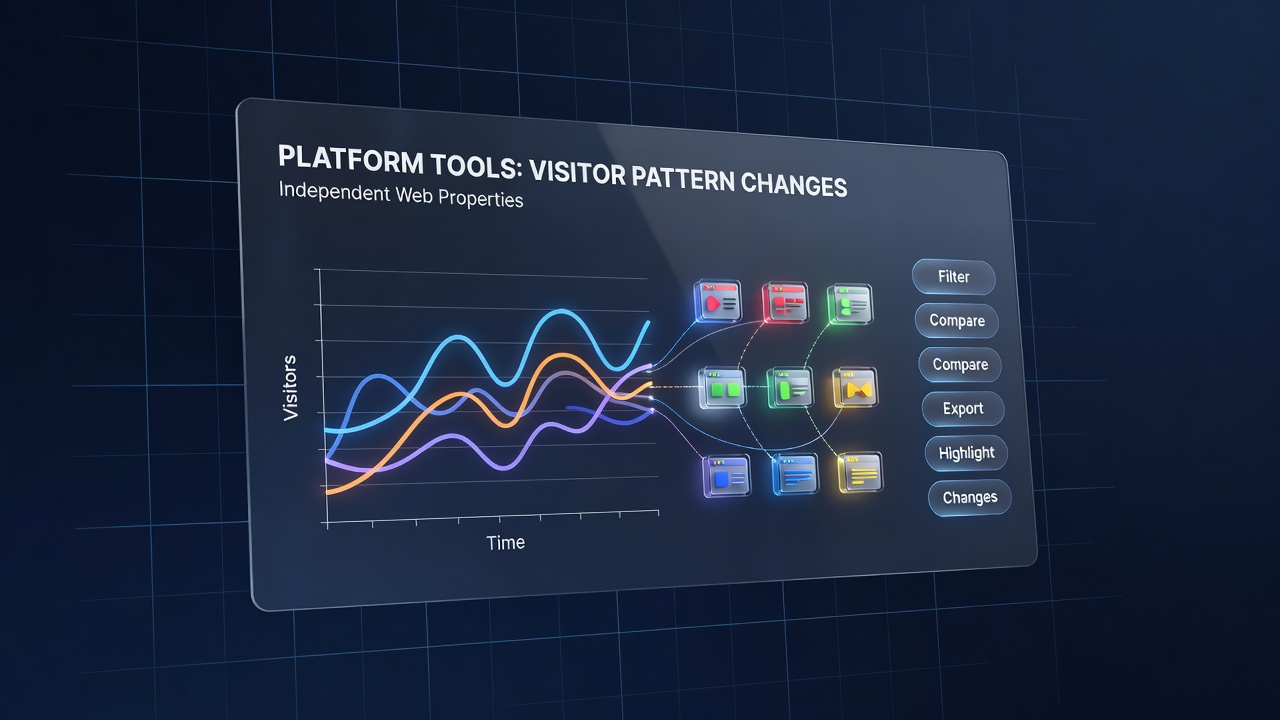
Platform tools designed for this purpose often combine real-time monitoring with historical comparison modules, so operators receive notifications when traffic volumes shift beyond predefined thresholds or when geographic distribution of visitors changes abruptly. Researchers at various academic institutions have documented how these platforms employ statistical models to isolate anomalies, including sudden drops in returning visitors or spikes in mobile versus desktop access ratios, and the outputs appear in visual formats such as heatmaps overlaid on timeline graphs. Observers note that independent sites benefit because the tools consolidate signals from multiple properties into unified dashboards, allowing owners to compare performance across their own network of pages without manual data exports.
Session recording features within many of these platforms capture navigation sequences that reveal changes in user pathways, and automated tagging systems label segments where dwell times shorten or exit rates climb on specific content sections. According to findings from the European Commission's digital economy monitoring initiatives, independent operators who deploy these detection layers report faster identification of external factors influencing traffic, including algorithm adjustments on major search engines or shifts in social media referral quality. The tools maintain logs that permit retrospective analysis, enabling users to correlate pattern changes with external events recorded in public datasets.
Integration With Broader Analytics Ecosystems
Many detection platforms connect directly to existing data pipelines maintained by independent properties, pulling inputs from server logs, content management systems, and third-party advertising networks while preserving data segmentation by property. This connectivity supports cross-site comparisons that highlight whether a visitor pattern change affects one site or appears consistently across a portfolio of independent domains. Figures from the Australian Bureau of Statistics on digital infrastructure adoption indicate rising use of such interconnected tools among smaller operators who lack dedicated data science teams yet require visibility into behavioral trends.
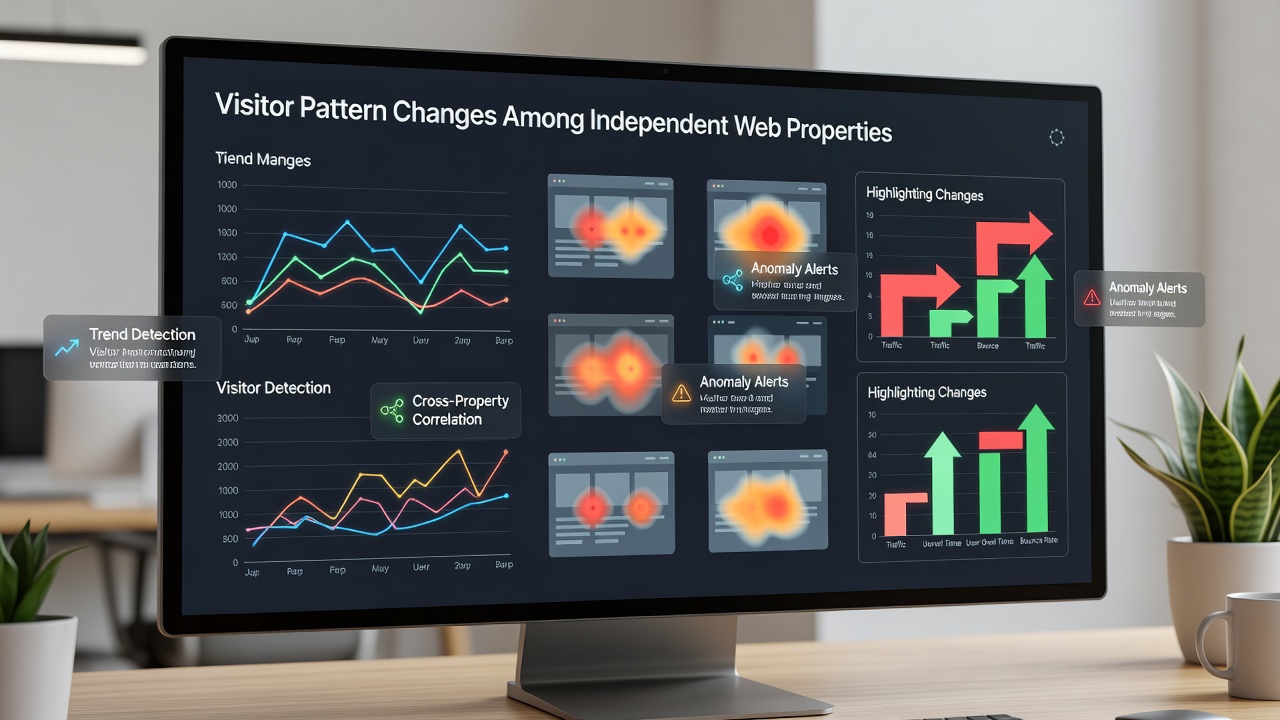
Alert mechanisms within the platforms allow customization of sensitivity levels so that minor fluctuations do not trigger unnecessary reviews, whereas sustained deviations prompt deeper investigation through embedded query builders. Those who manage multiple independent sites often configure rules that compare visitor origins against competitor benchmarks pulled from aggregated public sources, creating context for whether an observed change remains isolated or reflects wider market movement. In September 2026 several platform providers released updates that refined machine learning classifiers used to categorize new versus returning visitor cohorts, improving the precision of change detection on sites with seasonal traffic cycles.
Practical Applications Across Site Types
Independent news outlets use these tools to monitor how article topics influence dwell time distributions, while e-commerce properties track alterations in cart abandonment sequences that may signal checkout friction or payment processor issues. Educational resource sites apply the same systems to detect shifts in geographic visitor concentrations that could indicate changes in regional search visibility. Platform interfaces present these findings through layered reports that combine quantitative metrics with qualitative summaries generated from aggregated session data, reducing the time required to interpret raw logs.
Case examples shared in industry forums describe operators who identified referral source degradation after external platform policy changes, and the detection tools provided timestamped evidence that aligned with external announcements from search providers. Data shows that sites employing continuous pattern monitoring maintain more stable performance metrics over multi-year periods because adjustments occur before cumulative effects compound. The systems also support export functions that feed into compliance documentation required by various regulatory frameworks governing data collection practices.
Conclusion
Platform tools that surface visitor pattern changes supply independent web properties with structured visibility into evolving traffic dynamics, and continued refinement of their detection algorithms supports proactive management across diverse site categories. Integration with established data sources and visual reporting formats enables consistent monitoring without specialized technical overhead.