Xander Schulz · 9 September 2026
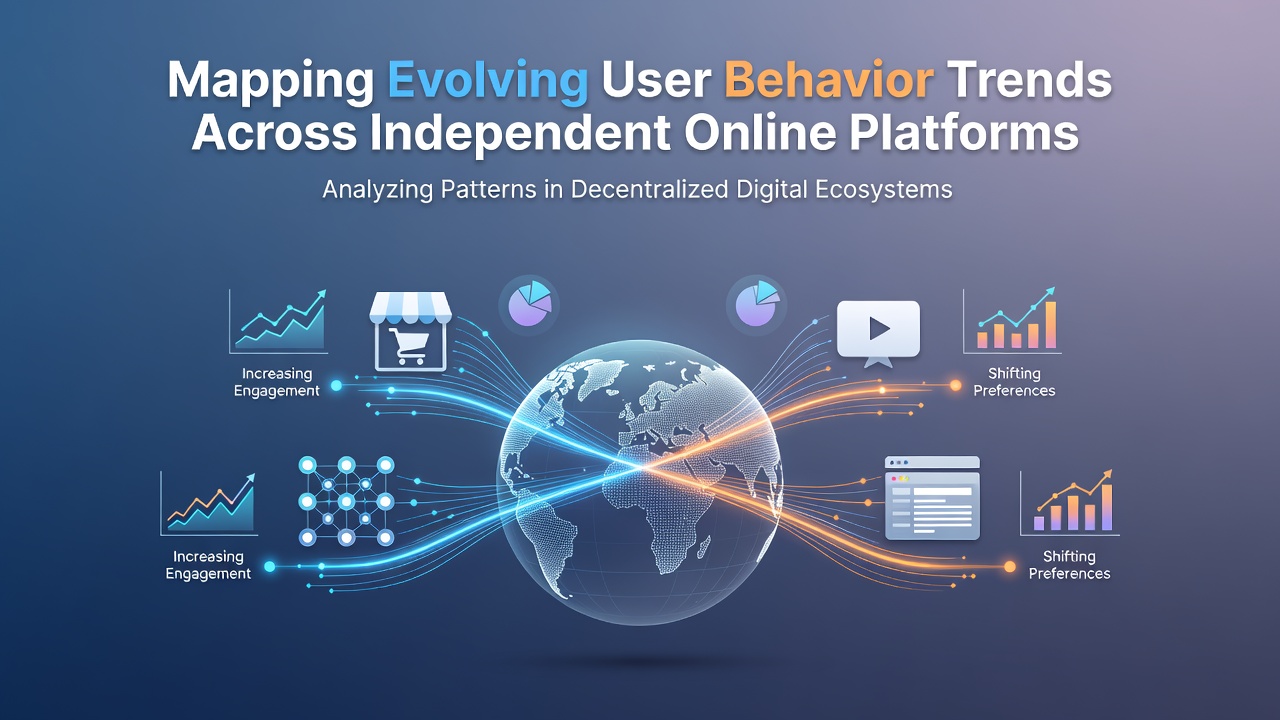
Mapping Evolving User Behavior Trends Across Independent Online Platforms
Independent online platforms continue to attract users seeking alternatives to centralized networks, and mapping their behavior requires attention to shifting patterns in engagement, navigation, and content interaction. Researchers at various institutions have documented how individuals move between niche forums, personal blogs, and community-driven sites while maintaining distinct habits compared to mainstream social media.
Tracking Methods and Data Sources
Analysts rely on anonymized traffic logs, session recordings, and aggregated metadata to build accurate maps of user flows. Studies from academic centers show that cookie-less tracking solutions gained wider adoption by mid-2026, particularly after regulatory updates from the European Data Protection Board emphasized consent-based data handling. Platforms collect information on dwell time, scroll depth, and referral paths without storing personally identifiable details, which allows teams to identify recurring sequences such as users arriving from search engines then branching into related discussion threads.
Observed Shifts in Engagement Patterns
Data collected through 2026 reveals several consistent movements. Users spend longer sessions on independent sites that offer threaded conversations or searchable archives, whereas quick visits dominate when content appears in feed-style layouts. Mobile traffic now accounts for the majority of page views on these platforms, with tablets and desktops reserved for deeper research tasks. Observers note that cross-platform jumping has increased; individuals frequently open an article on one site, then follow embedded links to an independent wiki or a specialized community board for further context.
Regional Variations in Behavior
Geographic differences appear in how people interact with independent platforms. In North America, search-driven discovery leads many sessions, while European users show higher rates of direct navigation through bookmarks and shared links. Australian Communications and Media Authority reports from early 2026 indicate growing interest in local-language community sites, where users cluster around regional topics rather than global headlines. These patterns emerge from server log analysis and voluntary user surveys conducted across multiple continents.
Content Consumption and Retention Indicators
Retention metrics demonstrate that pages with embedded multimedia hold attention longer than text-only formats on most independent domains. However, load speed remains critical; visitors abandon sessions quickly when images or scripts delay rendering beyond a few seconds. Research teams have mapped typical paths where a reader lands on a homepage, selects a category, then returns to the index page before exiting. Such loops appear more frequently on sites that update content daily compared with those posting weekly.
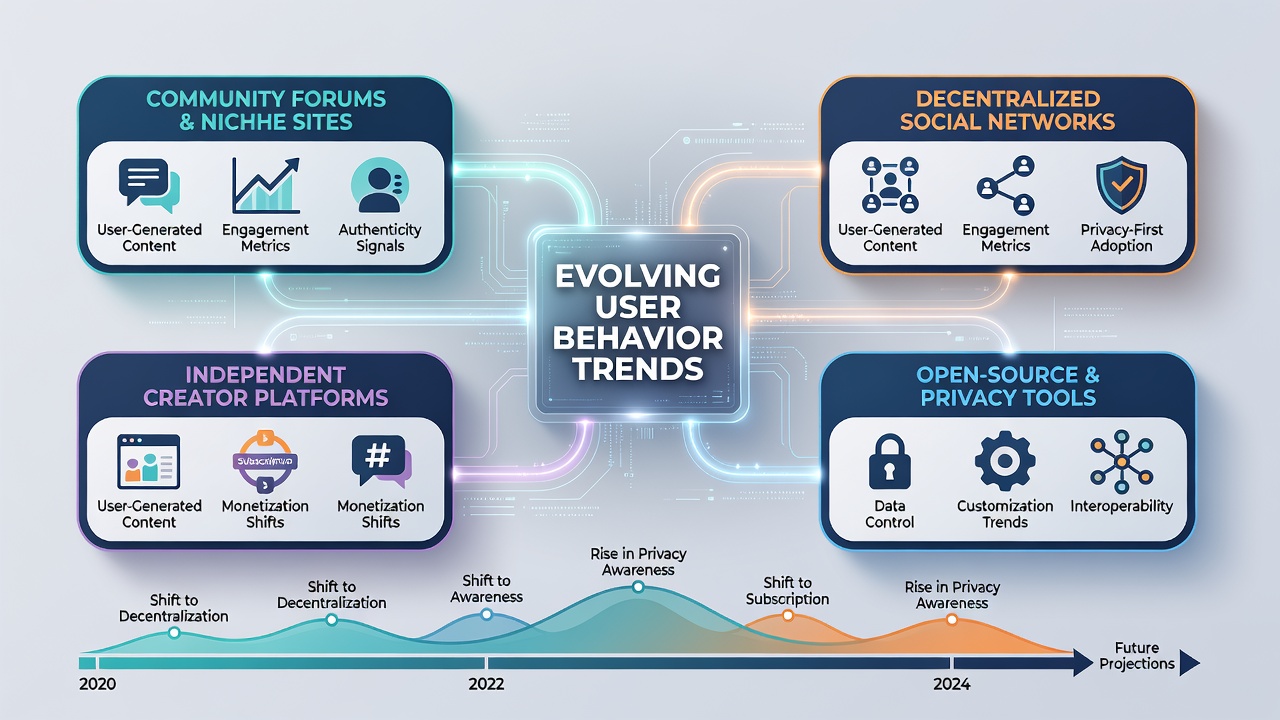
Referral sources have diversified as well. Organic search still contributes the largest share, yet direct traffic and links from other independent sites together represent a growing portion. Analysts tracking these movements find that users who arrive via peer recommendations tend to explore more pages per visit than those entering through search results. This distinction helps platform operators adjust navigation menus and internal linking structures to match observed flows.
Privacy Considerations and Tool Adoption
Privacy-focused browser extensions and VPN usage affect visibility into some user paths, yet aggregated signals still permit trend identification. Platforms increasingly implement first-party analytics that respect do-not-track signals, aligning with guidelines from regulatory bodies in Canada and the European Union. These tools record behavioral sequences while stripping identifiers, which maintains compliance and still supplies enough data for mapping purposes. One study released in September 2026 highlighted how such methods captured a rise in users saving content offline for later review rather than returning through bookmarks.
Future Mapping Techniques
Emerging approaches combine server-side event logging with machine learning models trained on historical session data. These models predict likely next actions based on entry points and device type, allowing site maintainers to test layout changes against projected behavior. Continued refinement of these techniques depends on sustained access to representative datasets from diverse independent platforms operating worldwide.
Conclusion
Mapping user behavior across independent online platforms relies on consistent data collection practices, attention to regional differences, and respect for privacy standards. Information gathered through September 2026 shows clear trends in session length, device preference, and cross-site navigation that platform operators can use to refine structures and content delivery. Ongoing analysis from multiple geographic sources provides the foundation for understanding how these patterns continue to develop.